
-
We've upgraded and reskinned the forum. Notice something off? Email us at [email protected] and we'll fix it.
You are using an out of date browser. It may not display this or other websites correctly.
You should upgrade or use an alternative browser.
You should upgrade or use an alternative browser.
V1 David's Track ,street goblin - in NJ


David
Goblin Guru

- David Goblin Guru
Yea no ice fishing here lol. Winter is to have the Goblin under the knife. Just wanted to know what is was for. Thinking I will try and add a sight glass would be cool to see if you have air bubbles. Not sure if you would see them through.You probably don't need a block heater from the Saab, so you can take your goblin out ice fishing.
Technically, I don't think it is fair to call it a block heater when it is located in the thermostat housing.
David
Goblin Guru
- David Goblin Guru
Ok so to add to my problems from the previous owner which said everything was fine.
I had to take the the piping off from the water/air turbo heat exchanger because it was in my way. I noticed some oil bluid up inside the silicon 90⁰. Also inside the heat exchanger there is a slight oil residue on the bottom.
So I decided to keep going further to clean everything up. Which lead me to remove the intake manifold. Go behold its full of oil and the intake valves also. I removed the PCV and its full also. What can be happening that its getting caked with oil blow back?
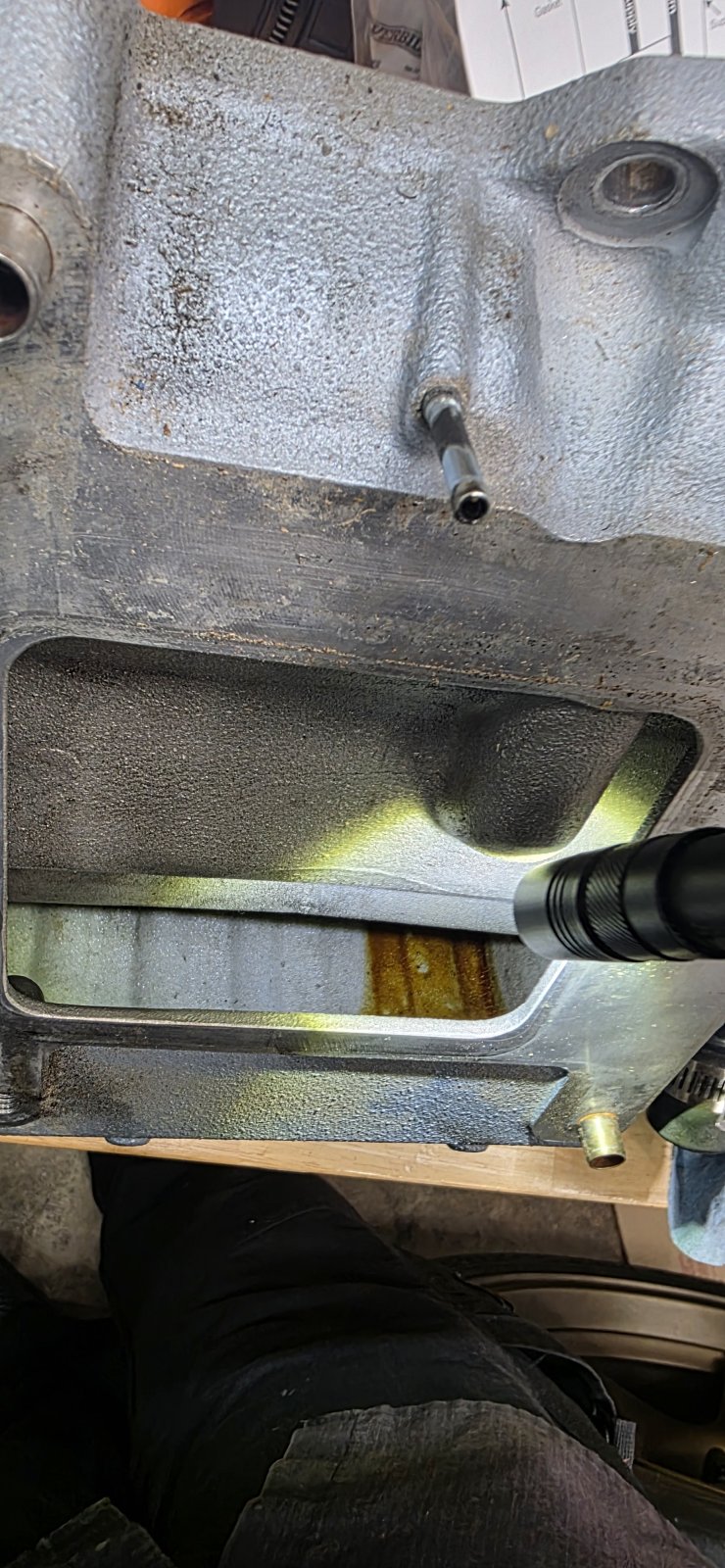
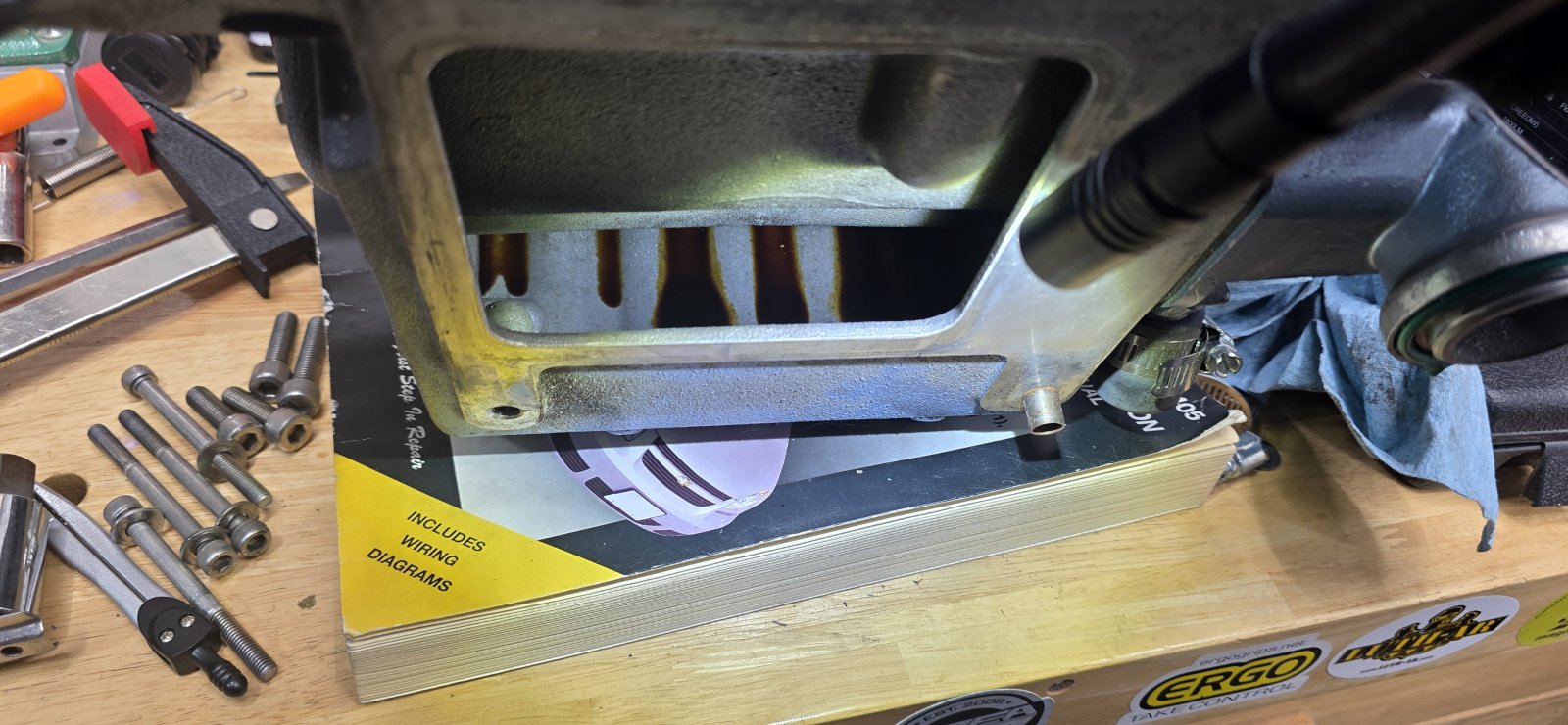
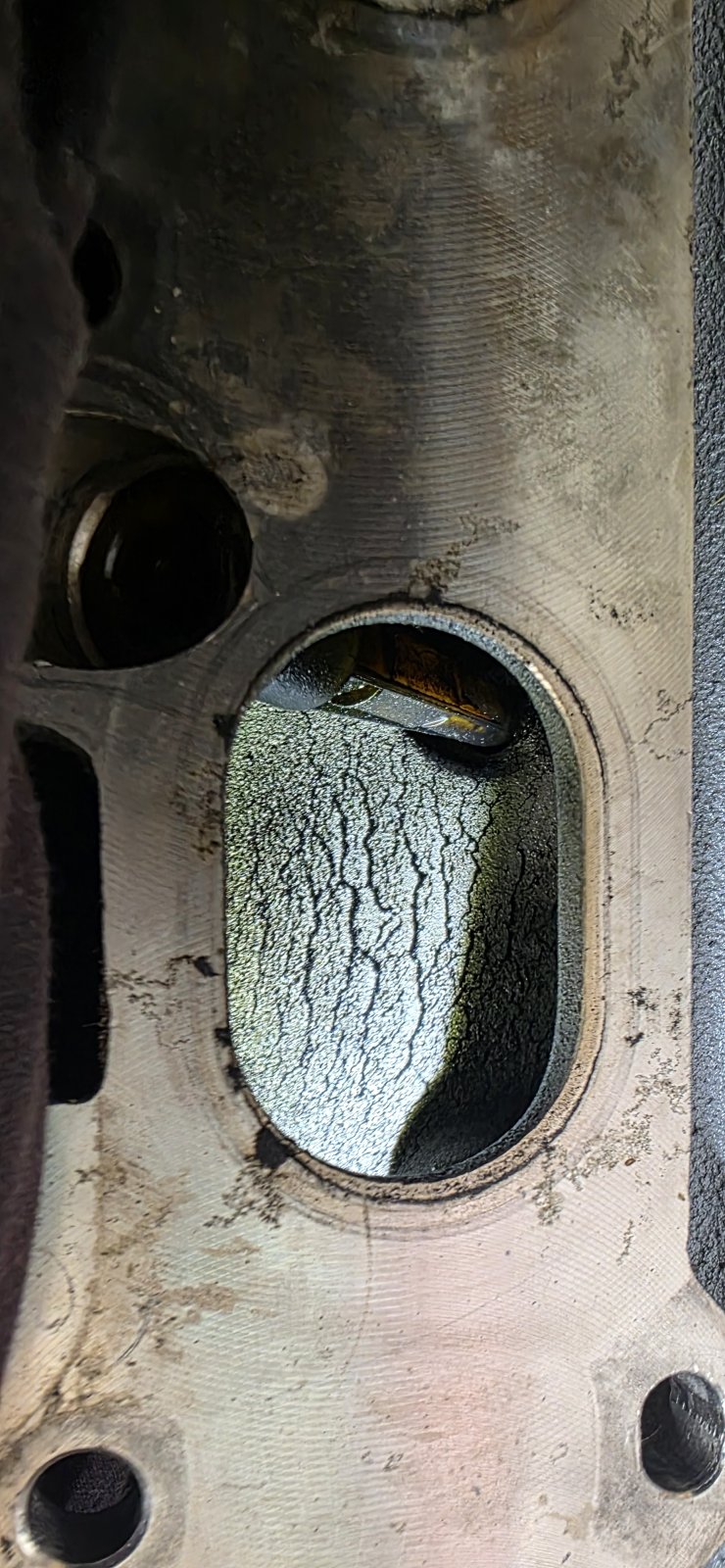
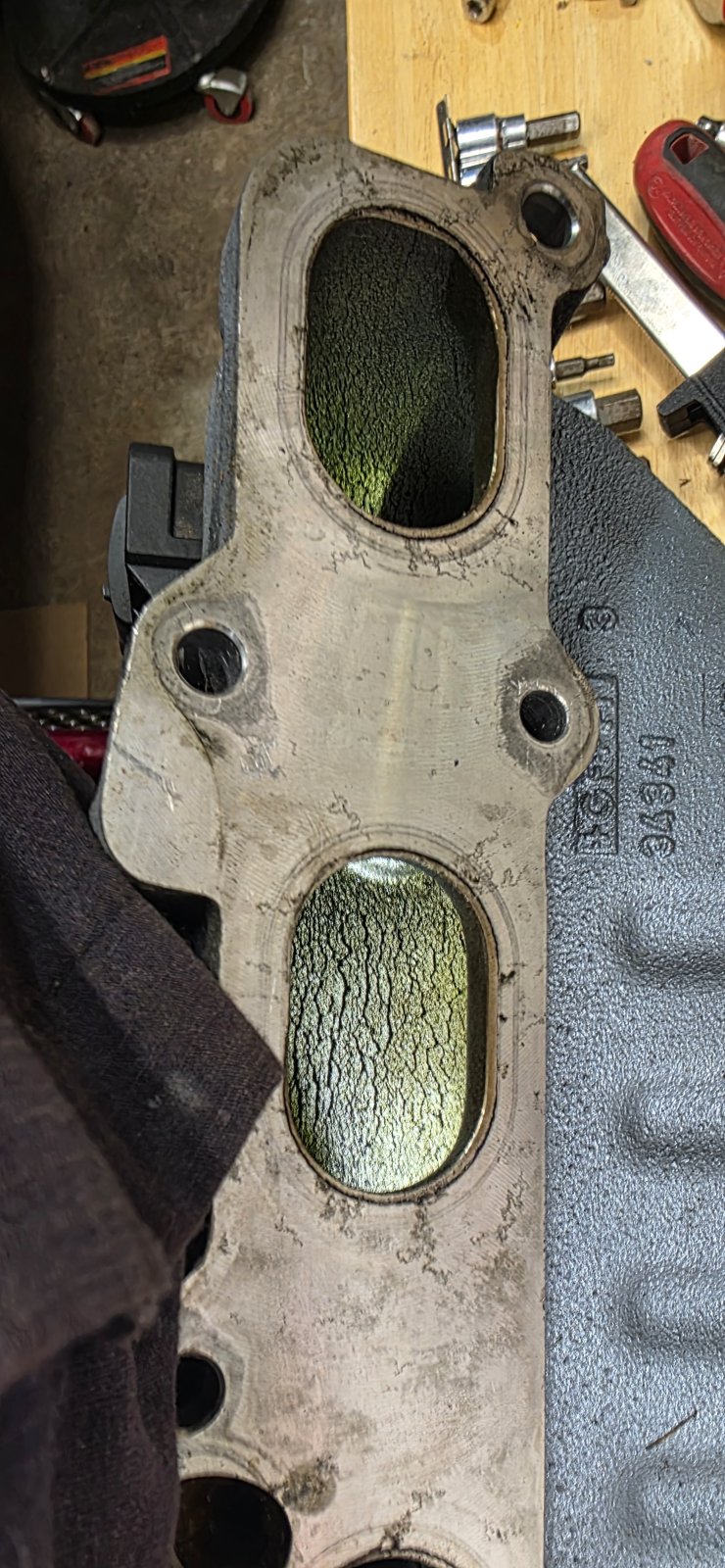
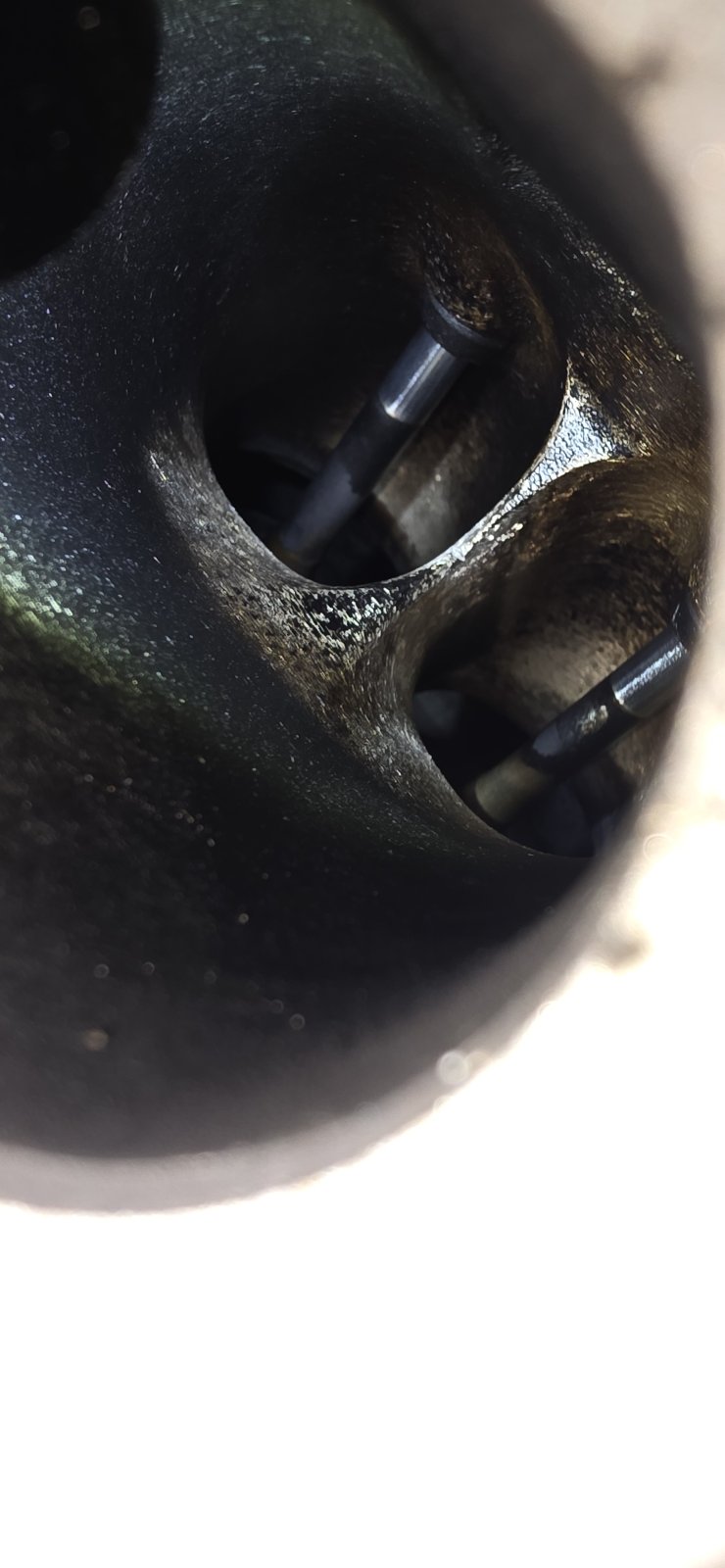
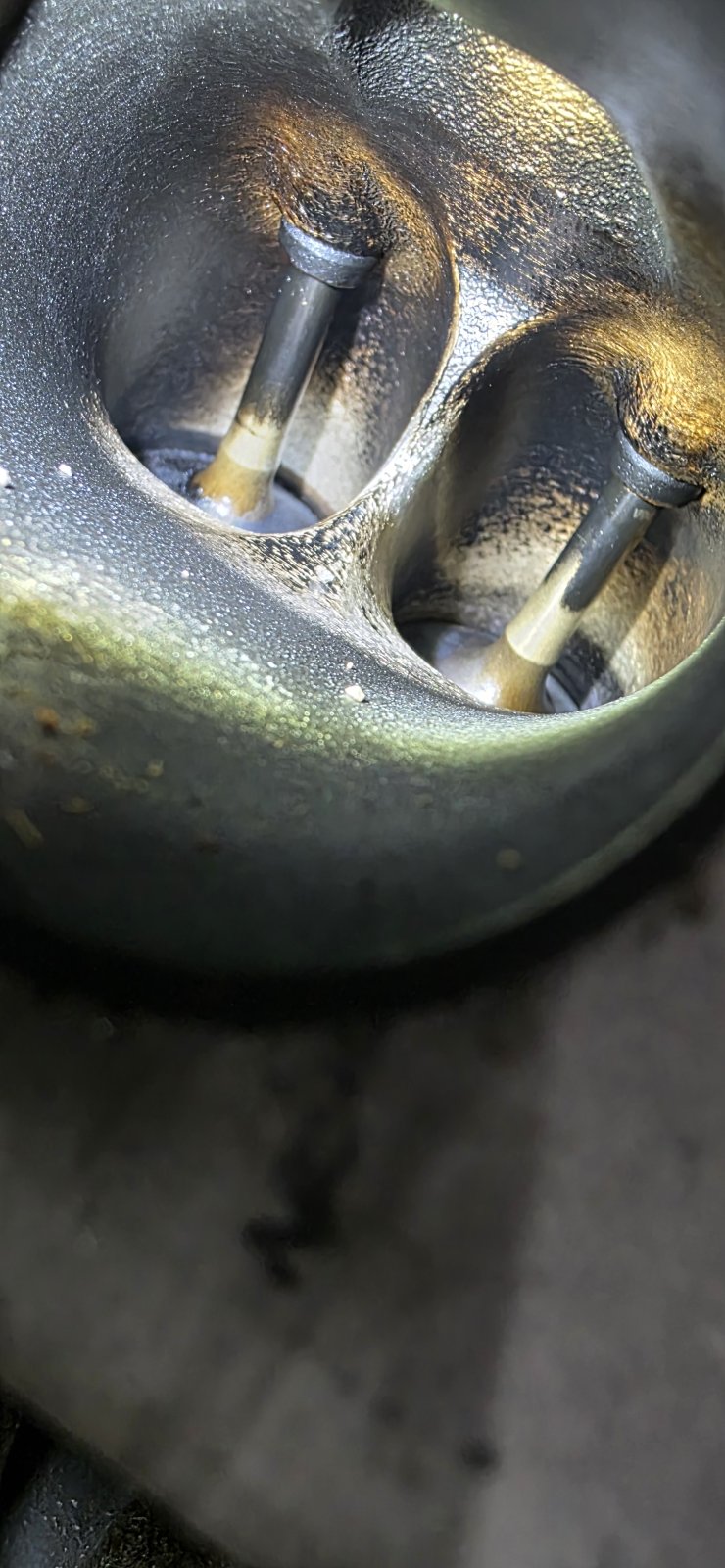
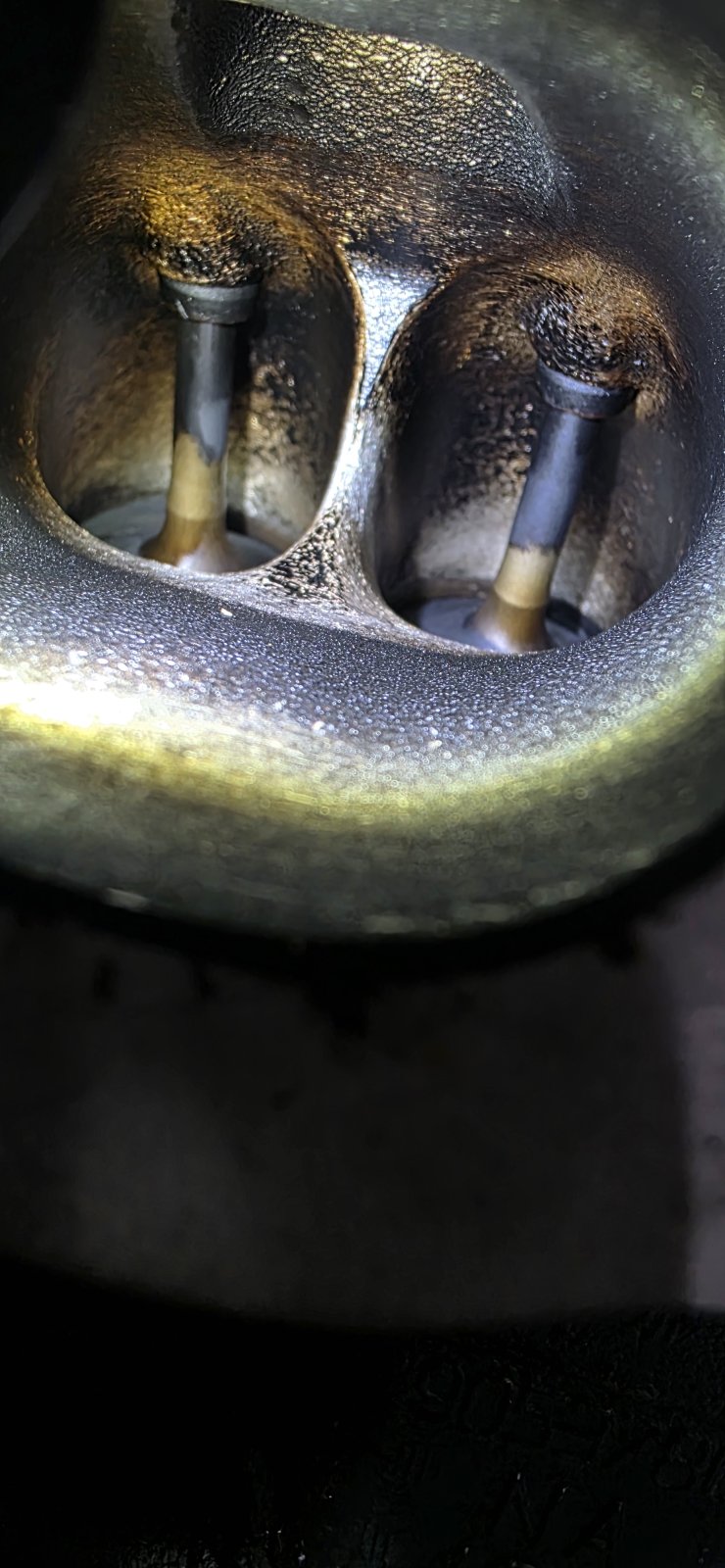
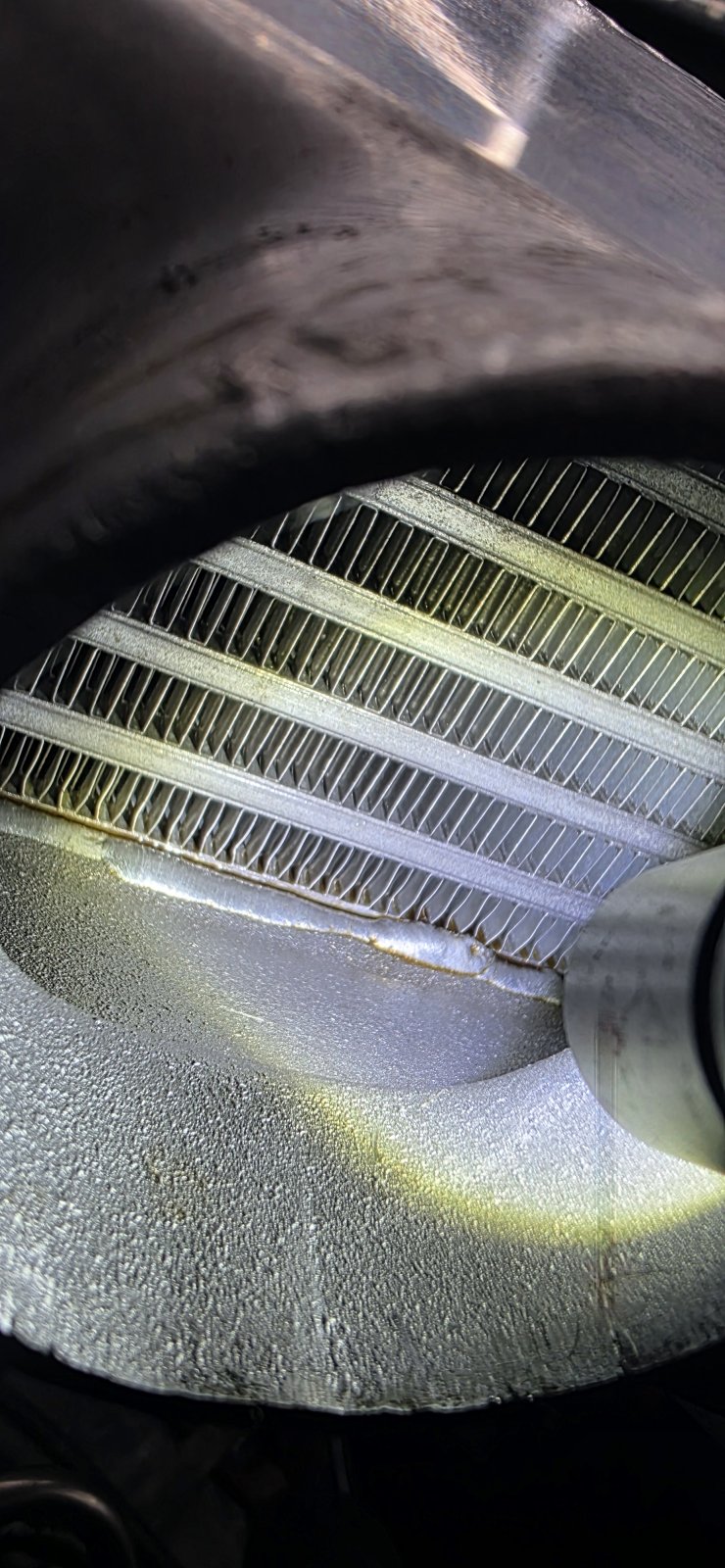
I had to take the the piping off from the water/air turbo heat exchanger because it was in my way. I noticed some oil bluid up inside the silicon 90⁰. Also inside the heat exchanger there is a slight oil residue on the bottom.
So I decided to keep going further to clean everything up. Which lead me to remove the intake manifold. Go behold its full of oil and the intake valves also. I removed the PCV and its full also. What can be happening that its getting caked with oil blow back?
David
Goblin Guru
- David Goblin Guru
Piston are all new so I should be good there. Will a catch can help it it out? If so which what are guys using on the LSJ?Crankcase ventilation goes back into the intake, and oil vapors condense, making an oily mess thru the intercooler and intake.
Pretty normal. Gets worse if you increase boost, or have old rings on your pistons.

Dale E
Goblin Kinsman

- Dale E Goblin Kinsman
If you just have to have one they are available. Summit racing sells a filter one --Yea no ice fishing here lol. Winter is to have the Goblin under the knife. Just wanted to know what is was for. Thinking I will try and add a sight glass would be cool to see if you have air bubbles. Not sure if you would see them through.
and then their are some of these in different shapes --
- YouTube
Enjoy the videos and music you love, upload original content, and share it all with friends, family, and the world on YouTube.
 www.youtube.com

Rauq
Goblin Guru

- Rauq Goblin Guru
B207 Engine Heater, I guess.Technically, I don't think it is fair to call it a block heater when it is located in the thermostat housing.
I'm assuming the Saab intake manifold PCV works the same way as the LSJ intake manifold since the head should be the same. You can put a catch can between the valve cover breather and an intake tube somewhere, but that's only going to get half your PCV (when in boost). The PCV valve from your last pic pulls crankcase vapors directly into the intake manifold when the manifold's in vacuum, so it's a little more complicated to get a catch can into the vacuum PCV setup.Piston are all new so I should be good there. Will a catch can help it it out? If so which what are guys using on the LSJ?
That being said, I don't think your intercooler, intake manifold, or runners really look that bad, especially if they've never been cleaned before. In addition to tired rings, you can also get oil in those places from an imperfect turbo shaft oil seal. You can also get oil in the intake runners and around the valves from bad valve stem seals.
David
Goblin Guru
- David Goblin Guru
B207 Engine Heater, I guess.
I'm assuming the Saab intake manifold PCV works the same way as the LSJ intake manifold since the head should be the same. You can put a catch can between the valve cover breather and an intake tube somewhere, but that's only going to get half your PCV (when in boost). The PCV valve from your last pic pulls crankcase vapors directly into the intake manifold when the manifold's in vacuum, so it's a little more complicated to get a catch can into the vacuum PCV setup.
That being said, I don't think your intercooler, intake manifold, or runners really look that bad, especially if they've never been cleaned before. In addition to tired rings, you can also get oil in those places from an imperfect turbo shaft oil seal. You can also get oil in the intake runners and around the valves from bad valve stem seals.
Of course its never easy, its sucks when you dont know exactly what was done. Im going by what the previous owners told me and there bluid threads. Engine was rebuilt and has currently 980 miles.
David
Goblin Guru
- David Goblin Guru
If you just have to have one they are available. Summit racing sells a filter one --
View attachment 55143
and then their are some of these in different shapes --
- YouTube
Enjoy the videos and music you love, upload original content, and share it all with friends, family, and the world on YouTube.
I really dont need to have one just figured if I have a spot that I can tap and thread a sight glass it would hurt. I seen those glass hoses look pretty cool to see the flow and coolant color.
Rauq
Goblin Guru
- Rauq Goblin Guru
The ZZP LSJ entry turbo swap typically uses the air-to-water intercooler built into the LSJ intake manifold. Your picture shows an intercooler that's not that one. Are you using a separate air-to-water intercooler instead of, or in addition to, the LSJ supercharger intercooler?
In any case, before assuming that you have a blow-by issue, I'd clean everything out and see if or how quickly it gets dirty again. Does the engine smoke at idle or anything like that? Do you know if you're fouling spark plugs quickly? I would start with a default perspective that you don't currently have a problem.
In any case, before assuming that you have a blow-by issue, I'd clean everything out and see if or how quickly it gets dirty again. Does the engine smoke at idle or anything like that? Do you know if you're fouling spark plugs quickly? I would start with a default perspective that you don't currently have a problem.
David
Goblin Guru
- David Goblin Guru
The ZZP LSJ entry turbo swap typically uses the air-to-water intercooler built into the LSJ intake manifold. Your picture shows an intercooler that's not that one. Are you using a separate air-to-water intercooler instead of, or in addition to, the LSJ supercharger intercooler?
In any case, before assuming that you have a blow-by issue, I'd clean everything out and see if or how quickly it gets dirty again. Does the engine smoke at idle or anything like that? Do you know if you're fouling spark plugs quickly? I would start with a default perspective that you don't currently have a problem.
Correct I have the stock LSJ manifold but the laminova cores are capped. So im running an external water/air exchanger.
I will clean everything up and put it back together and see what happens.
I might go with a different manifold snice im not using the laminova cores. Waiting on ZZP to get back to me on the Saab manifold and LE5 TB like @Ross recommend.
David
Goblin Guru
- David Goblin Guru
Ok so a little update:
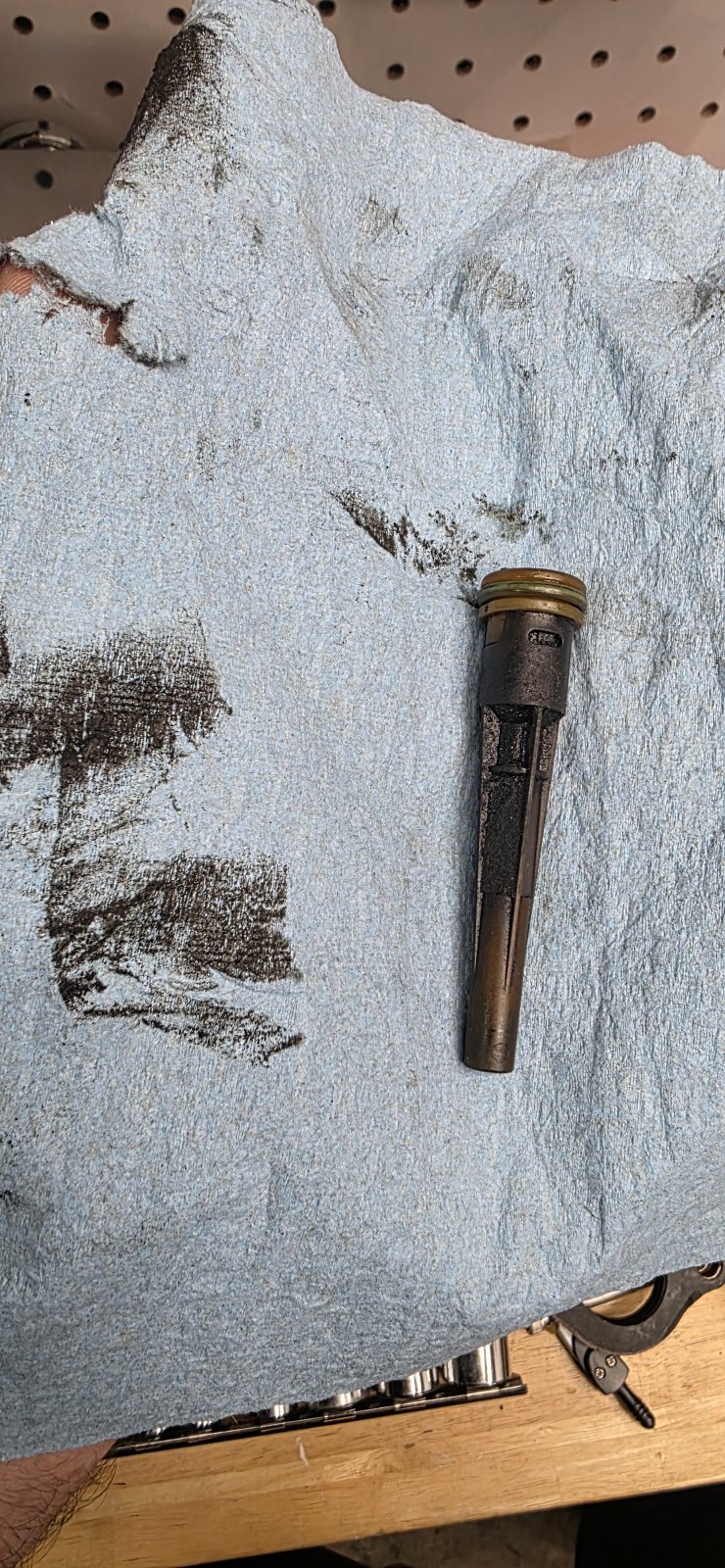
1. Took the PCV out and I believe its bad snice I can blow in both directions. Hopefully I can find one snice last time I read they are discontinued.
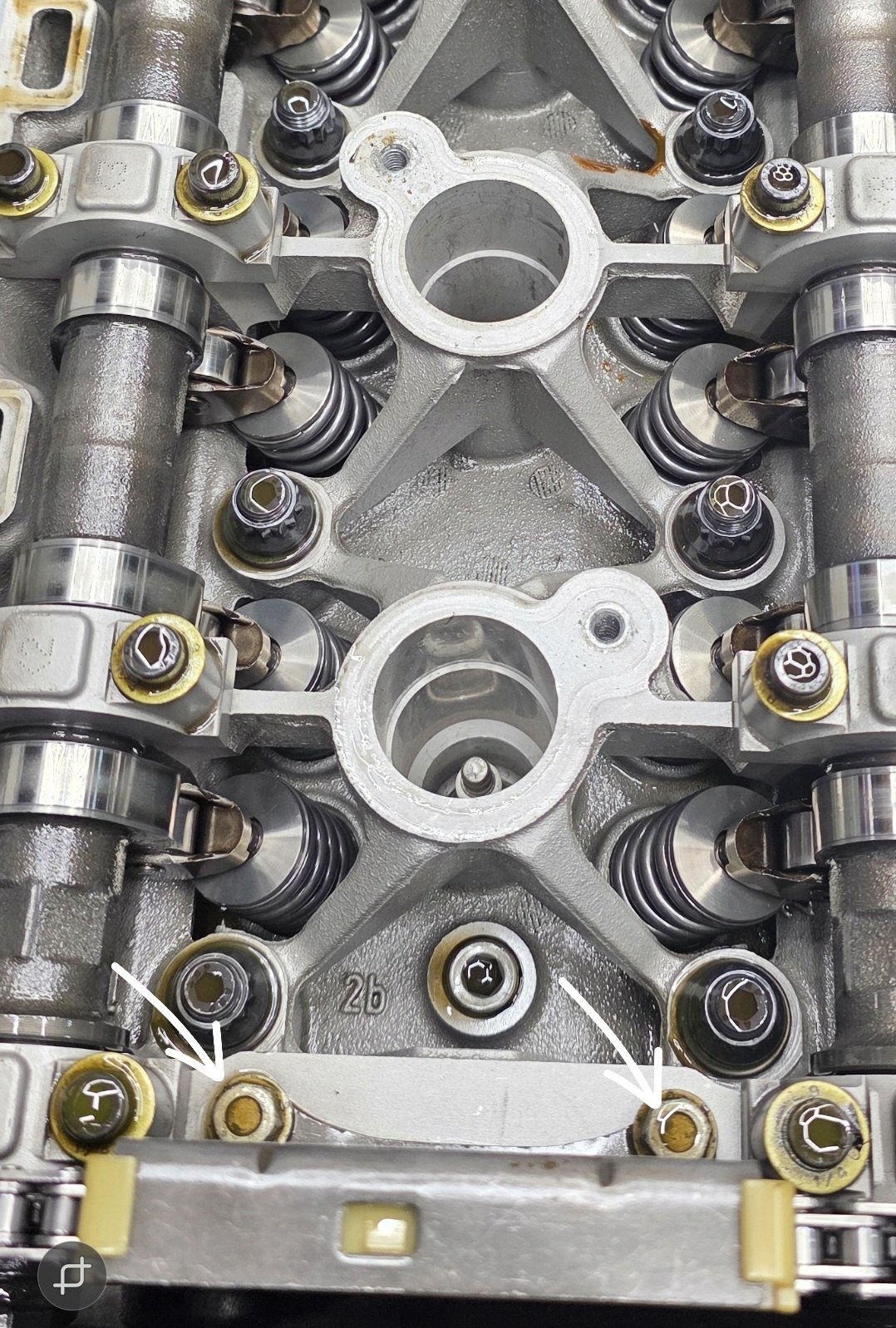
2. I had a leak coming from the camshaft position sensor. I had to put cylinder four on TDC so I took off the valve cover to double check the timing and also inspect. Need a little advice here snice all the videos I saw. Say that a good way to tell if timing is correct. Is to have 3.5 links to the top of the head. I have less then that. Is that an issue?
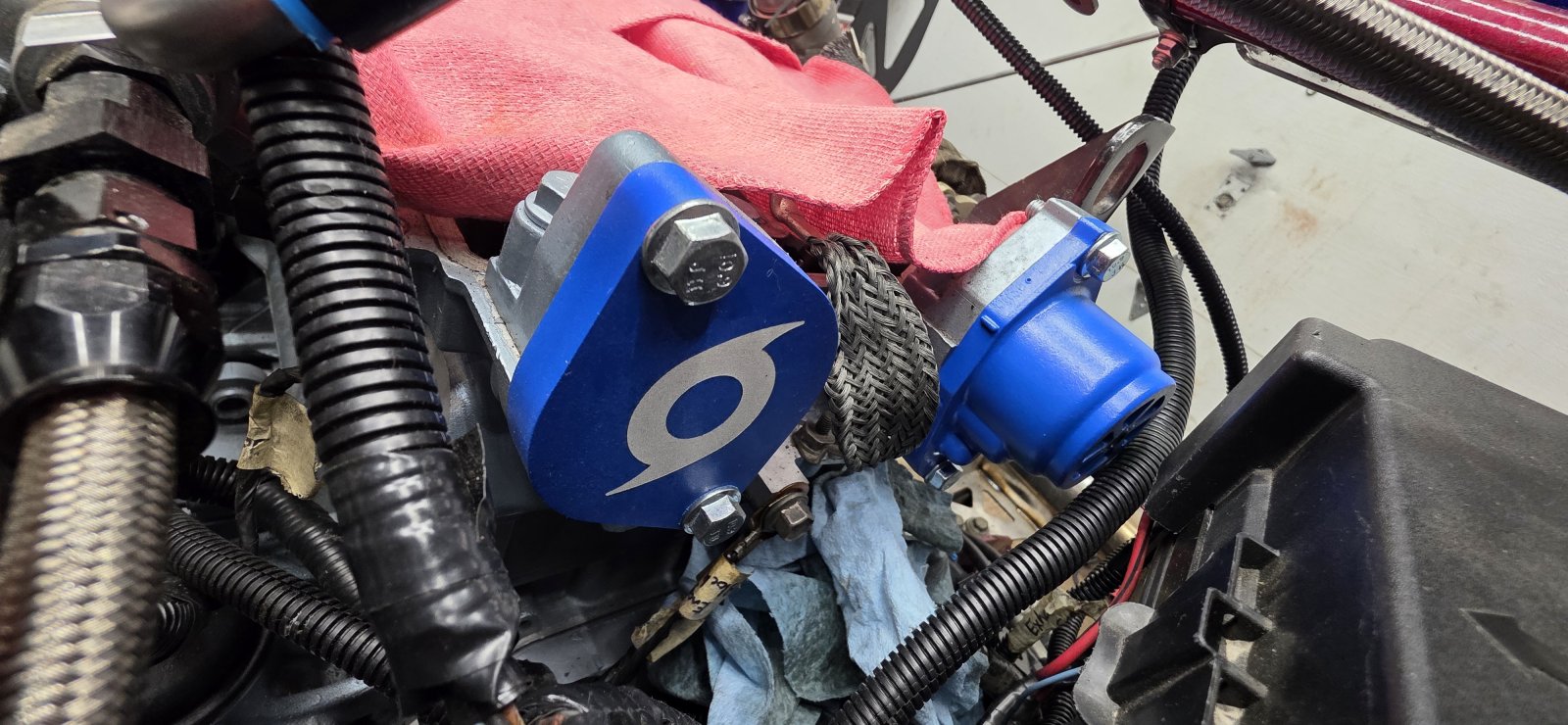
When I want to install the camshaft sensor housing. I lined up the marking and went to install it and I noticed it was off a hair to line up the bolts. One video I saw said it was normal for it to be off a slight amount. Thought?
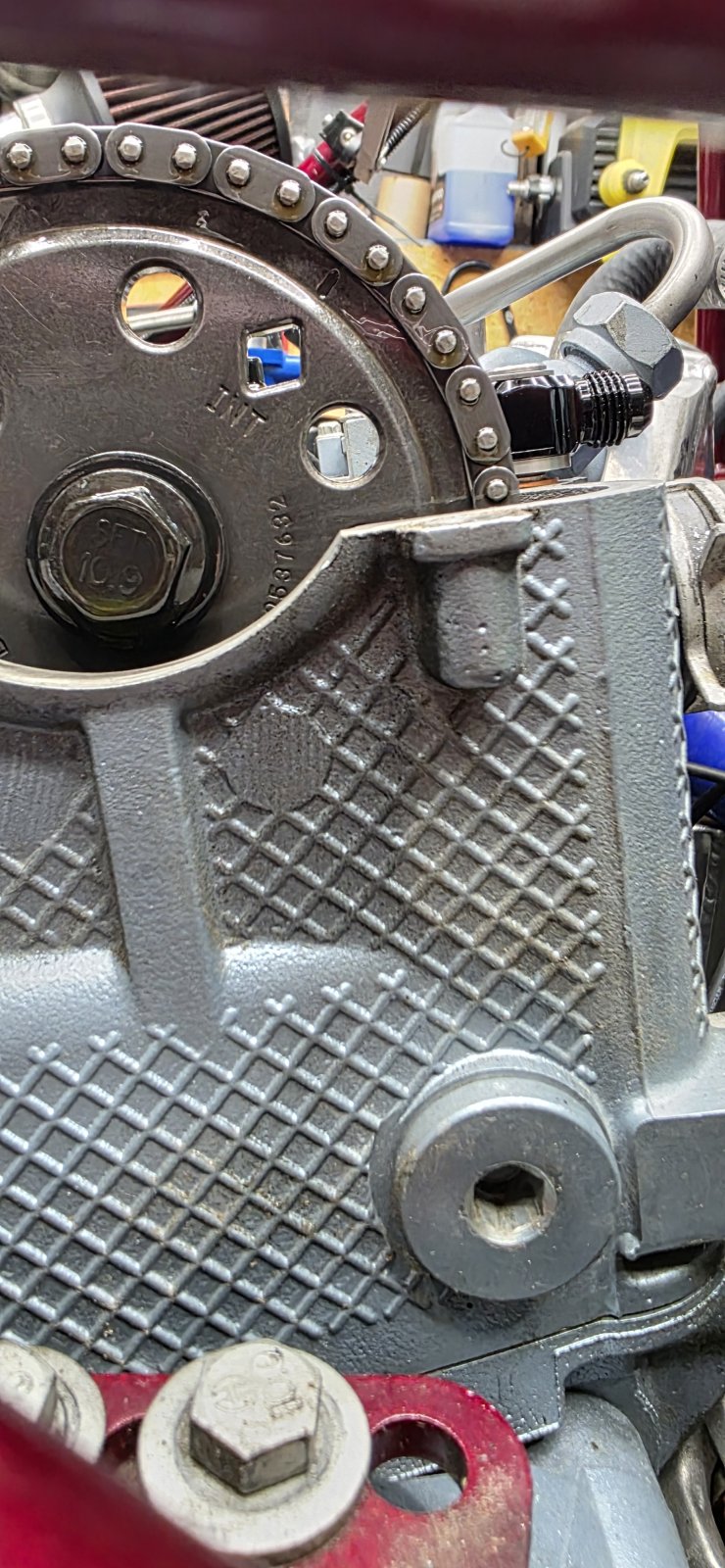
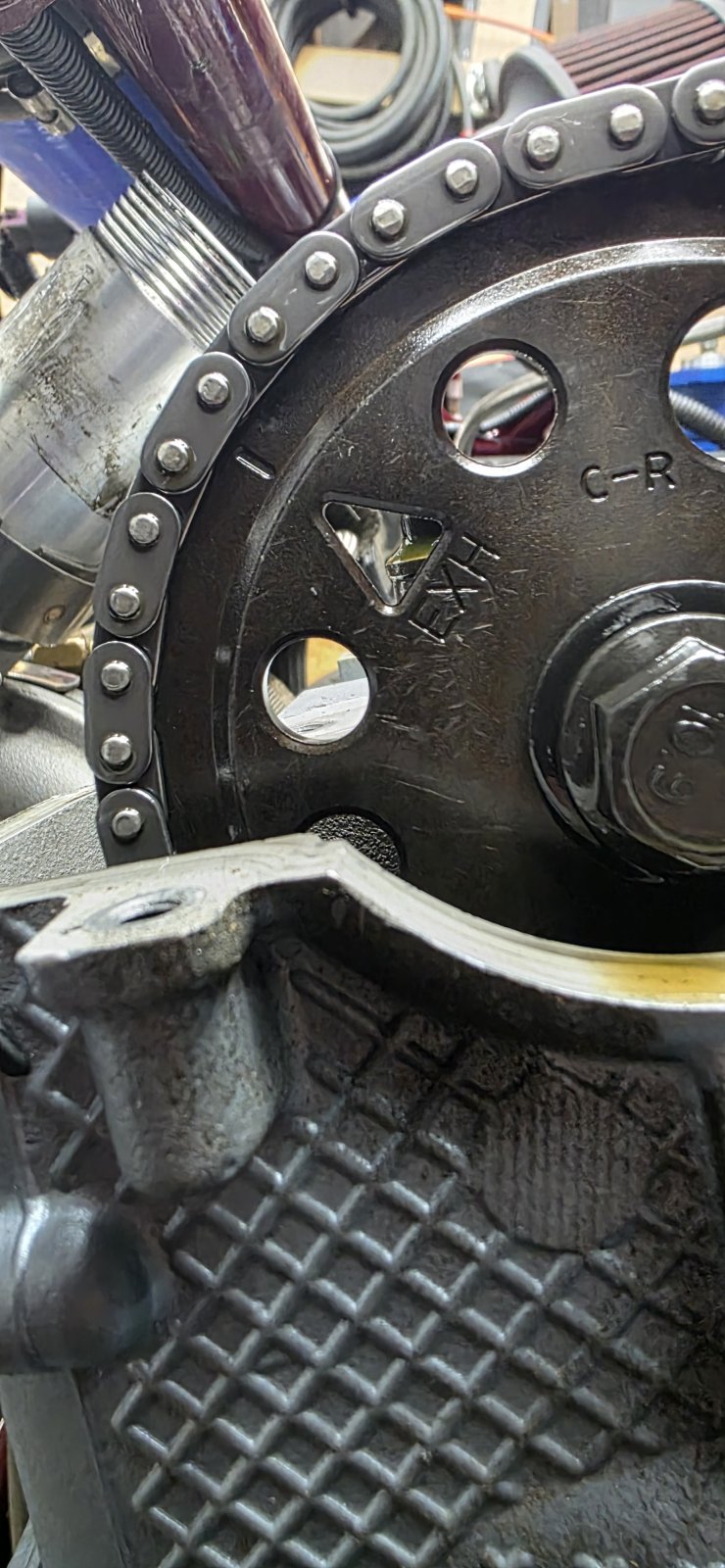
3. Another thing I noticed was this real brown looking liquid not sure what it can be.
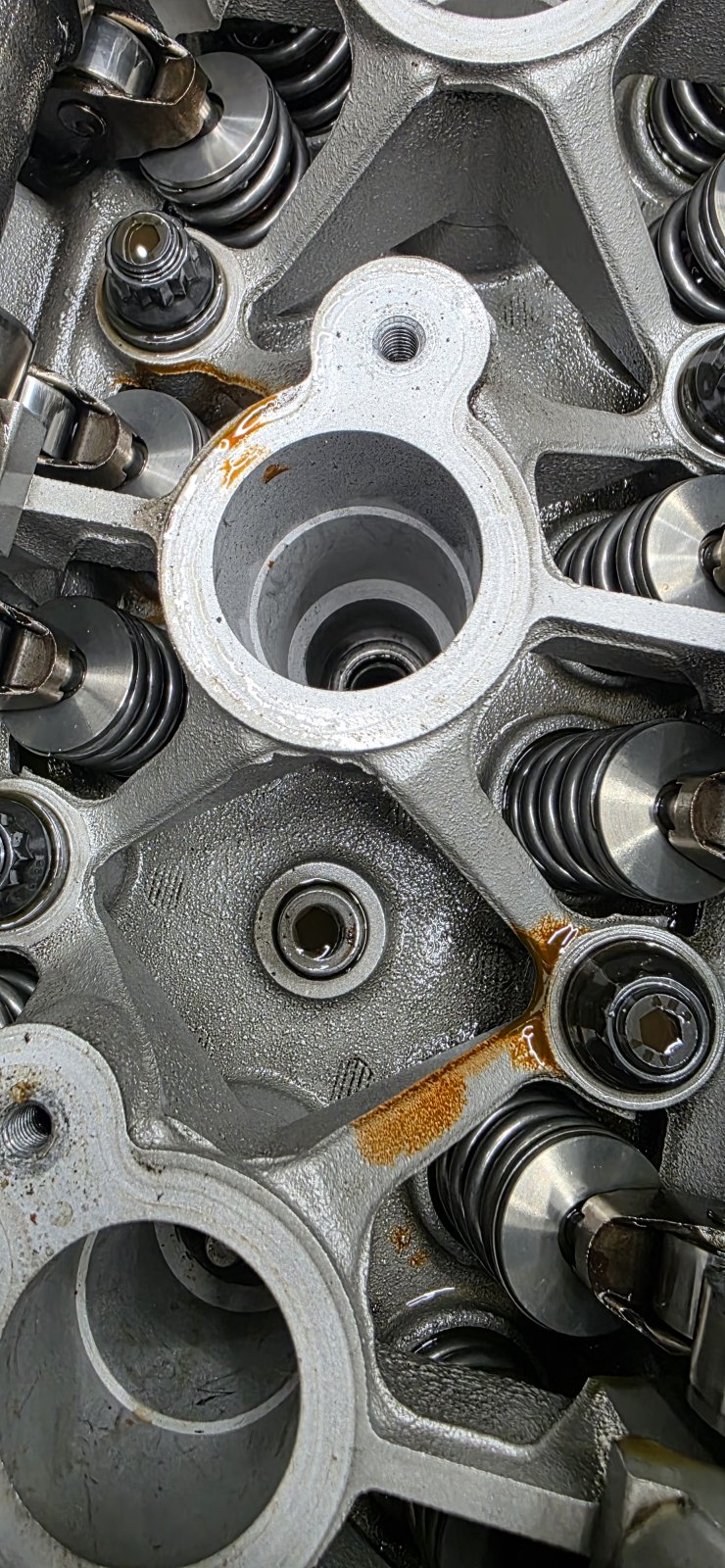
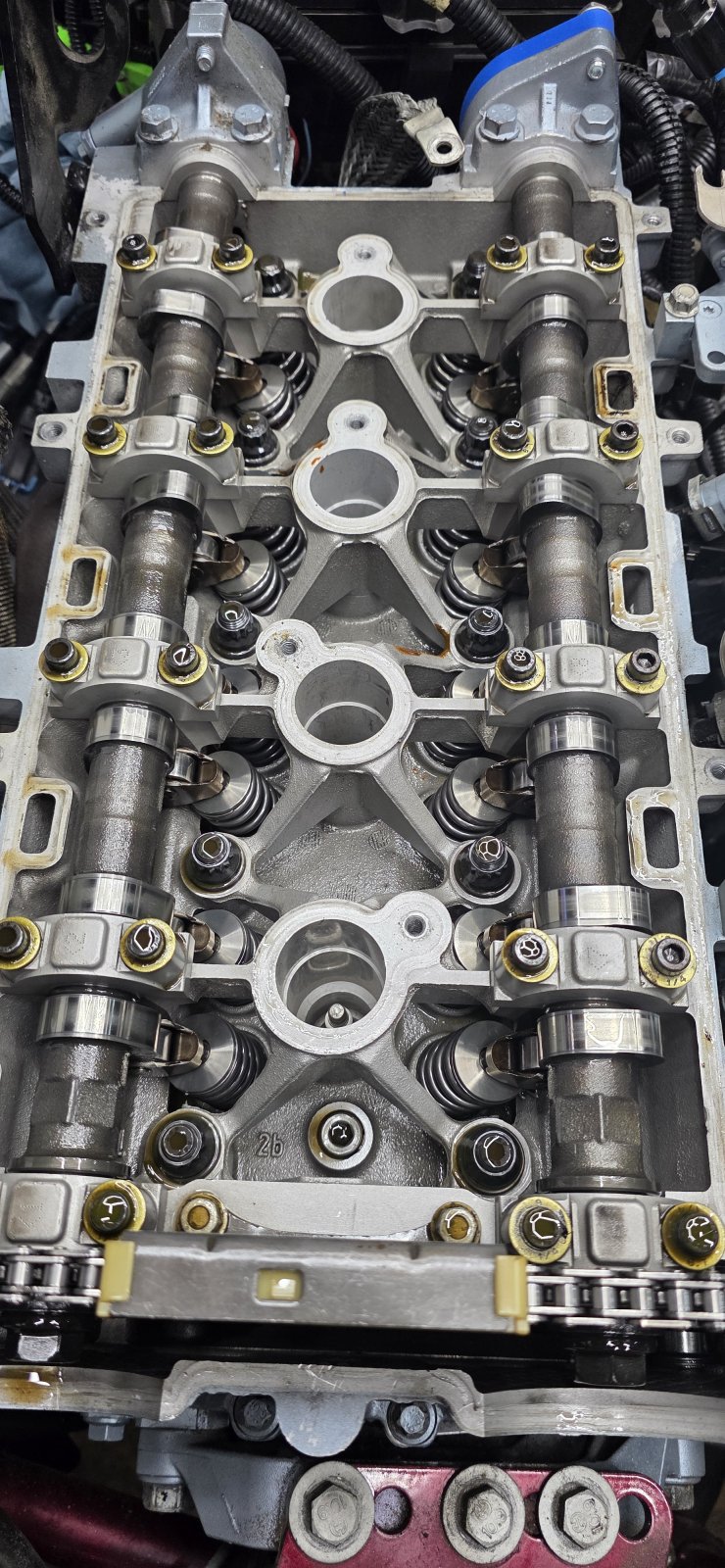
4. Not sure if im crazy but the oil looks greenish and white in some areas. Which is not good from my knowledge.
1. Took the PCV out and I believe its bad snice I can blow in both directions. Hopefully I can find one snice last time I read they are discontinued.
2. I had a leak coming from the camshaft position sensor. I had to put cylinder four on TDC so I took off the valve cover to double check the timing and also inspect. Need a little advice here snice all the videos I saw. Say that a good way to tell if timing is correct. Is to have 3.5 links to the top of the head. I have less then that. Is that an issue?
When I want to install the camshaft sensor housing. I lined up the marking and went to install it and I noticed it was off a hair to line up the bolts. One video I saw said it was normal for it to be off a slight amount. Thought?
3. Another thing I noticed was this real brown looking liquid not sure what it can be.
4. Not sure if im crazy but the oil looks greenish and white in some areas. Which is not good from my knowledge.
Rauq
Goblin Guru
- Rauq Goblin Guru
Can you not clean it? It's essentially just a check valve. Mine was gummed up, and some brake cleaner and a pick and some shop rags had it looking and working new again.Ok so a little update:
1. Took the PCV out and I believe its bad snice I can blow in both directions. Hopefully I can find one snice last time I read they are discontinued.
I wouldn't think so. Let's think about each way the sprockets can be off:2. I had a leak coming from the camshaft position sensor. I had to put cylinder four on TDC so I took off the valve cover to double check the timing and also inspect. Need a little advice here snice all the videos I saw. Say that a good way to tell if timing is correct. Is to have 3.5 links to the top of the head. I have less then that. Is that an issue?
- If both cams are advanced or retarded one tooth relative to the crank, then you'd have ~2.5 links on one side and ~4.5 on the other. This is assuming #1 is really TDC... if not, things get a little more fuzzy.
- If one cam is advanced or retarded one tooth relative to the other, you'd either have ~3.5 links on one side and ~2.5 or ~4.5 on the other, or 3 or 4 links on both sides.
- Last option would the chain is stretched, but I wouldn't think visual detection would be the best way to determine that.
It's either going to be clocked correctly, or out by an increment of 60° (because something's not lined up and it's a hex). If it's off by a hair, I'd think you're fine, unless the timing mark on the end of the camshaft is 180°, which would be the last thing I would check.When I want to install the camshaft sensor housing. I lined up the marking and went to install it and I noticed it was off a hair to line up the bolts. One video I saw said it was normal for it to be off a slight amount. Thought?
I think you're overthinking things. If it's oil, you're good. I don't think you're going to detect contaminated fluid visually during teardown, unless you drain the oil and get not-oil and/or drain the coolant and don't get just-coolant.3. Another thing I noticed was this real brown looking liquid not sure what it can be.
4. Not sure if im crazy but the oil looks greenish and white in some areas. Which is not good from my knowledge.

Stretch2126
Well-Known Member

- Stretch2126 Well-Known Member
Funny enough I chased my tail thinking I had a PCV issue in mine for the longest time to realize it’s probably just a worn shaft seal. I bought my turbo used off a hurt engine and I get a little oil in my charge pipes. If it’s anything like the LNF PCV system the car sucks the oily crank vapor anytime off boost so it just layers up overtime.B207 Engine Heater, I guess.
I'm assuming the Saab intake manifold PCV works the same way as the LSJ intake manifold since the head should be the same. You can put a catch can between the valve cover breather and an intake tube somewhere, but that's only going to get half your PCV (when in boost). The PCV valve from your last pic pulls crankcase vapors directly into the intake manifold when the manifold's in vacuum, so it's a little more complicated to get a catch can into the vacuum PCV setup.
That being said, I don't think your intercooler, intake manifold, or runners really look that bad, especially if they've never been cleaned before. In addition to tired rings, you can also get oil in those places from an imperfect turbo shaft oil seal. You can also get oil in the intake runners and around the valves from bad valve stem seals.
David
Goblin Guru
- David Goblin Guru
@Rauq not sure how to reply like you did so organized.
I will give it a try, I also might have one in the spare parts binCan you not clean it? It's essentially just a check valve. Mine was gummed up, and some brake cleaner and a pick and some shop rags had it looking and working new again.
You totally have a point everything is new so there shouldn't be an issue fingers crossed. Just been finding mismatched bolts and shortcuts that make me think. What else could have been rushedI wouldn't think so. Let's think about each way the sprockets can be off:
In the first or second option or even a combination of the two, you're going to be at least a whole link off in one direction or the other or when added together between both sides. I would chalk up an apparent 1/4 link discrepancy on both sides to visual perspective.
- If both cams are advanced or retarded one tooth relative to the crank, then you'd have ~2.5 links on one side and ~4.5 on the other. This is assuming #1 is really TDC... if not, things get a little more fuzzy.
- If one cam is advanced or retarded one tooth relative to the other, you'd either have ~3.5 links on one side and ~2.5 or ~4.5 on the other, or 3 or 4 links on both sides.
- Last option would the chain is stretched, but I wouldn't think visual detection would be the best way to determine that.
It's either going to be clocked correctly, or out by an increment of 60° (because something's not lined up and it's a hex). If it's off by a hair, I'd think you're fine, unless the timing mark on the end of the camshaft is 180°, which would be the last thing I would check.
Your totally correct, im always over thinking everything. Gave it some thought and remembered that I put dye to fund multiple oil leaks.[/QUOTE]I think you're overthinking things. If it's oil, you're good. I don't think you're going to detect contaminated fluid visually during teardown, unless you drain the oil and get not-oil and/or drain the coolant and don't get just-coolant.
David
Goblin Guru
- David Goblin Guru
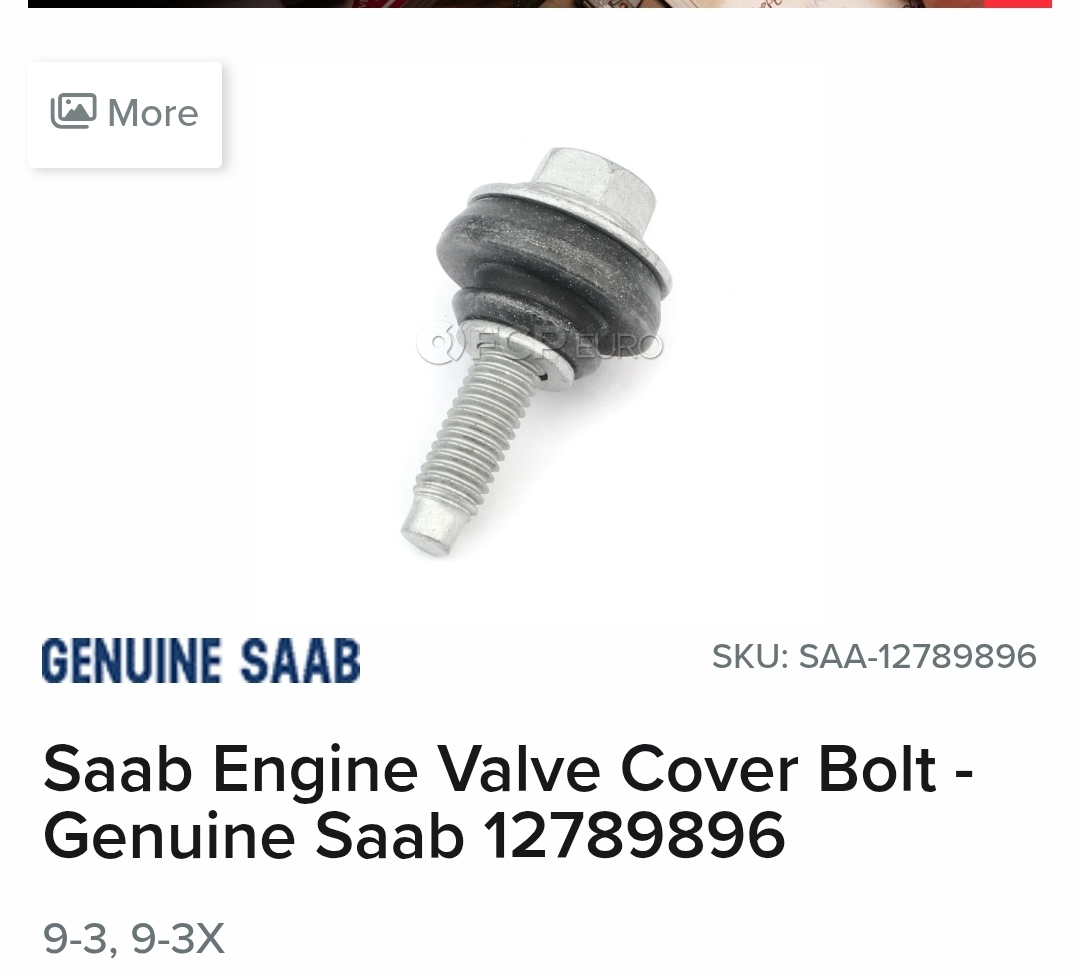
Installed the camshaft housing and plate. Now I'm trying to find the valve cover bolt for the sparkplug valley and also the gasket with washer. Seems like pervious builder lost it and didn't use the correct ones. If someone has a part number shot it over. Thank you
EDIT:
Found part number for LSJ valve cover bolts. GM discontinued but the 2006 Saab 9-3 uses the same bolts. Figured I post for anyone in the future.
EDIT:
Found part number for LSJ valve cover bolts. GM discontinued but the 2006 Saab 9-3 uses the same bolts. Figured I post for anyone in the future.
Last edited:
David
Goblin Guru
- David Goblin Guru
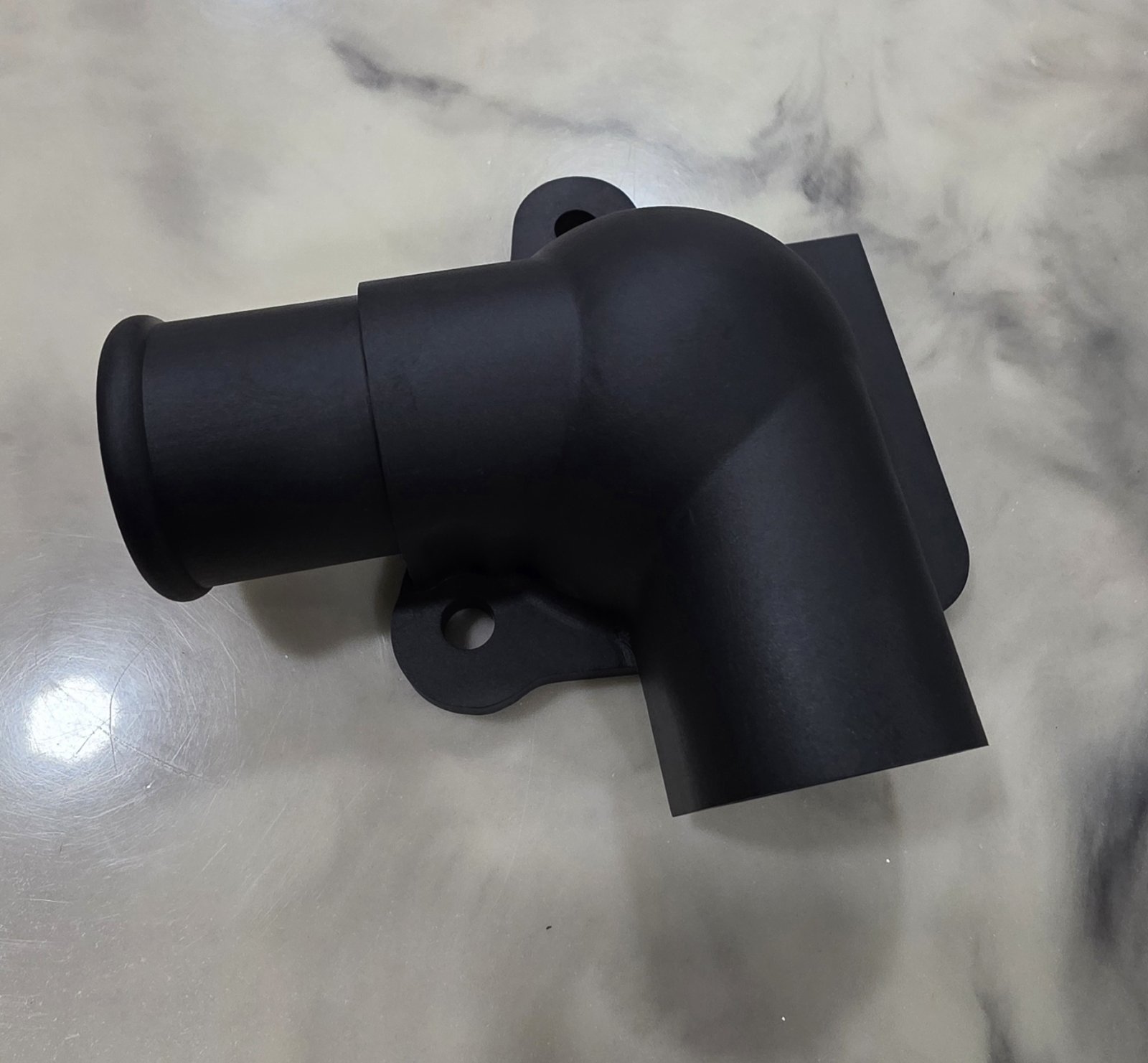
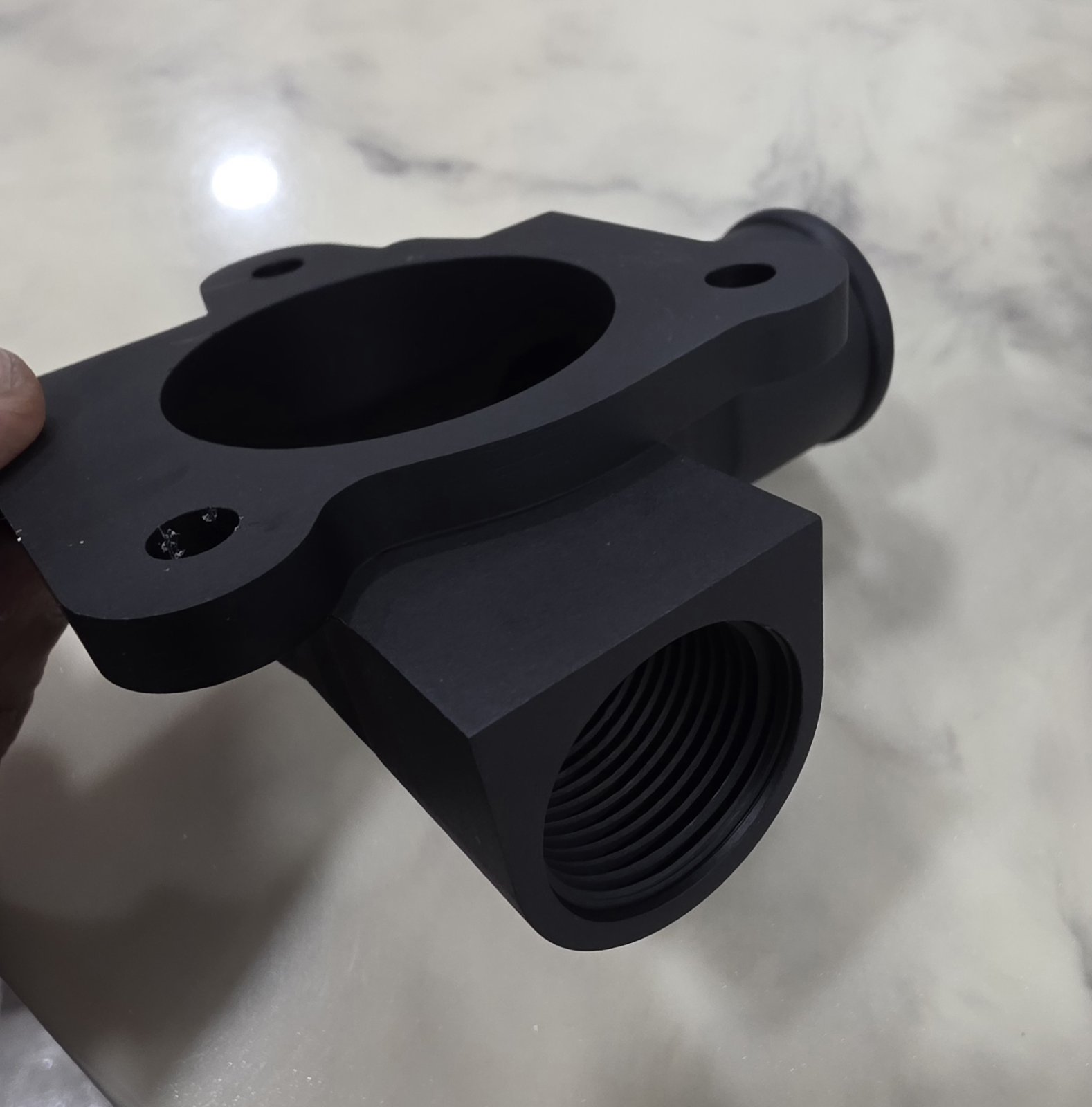
Ok little update, received my thermostat housing I designed. Looks amazing and everything fits perfectly.
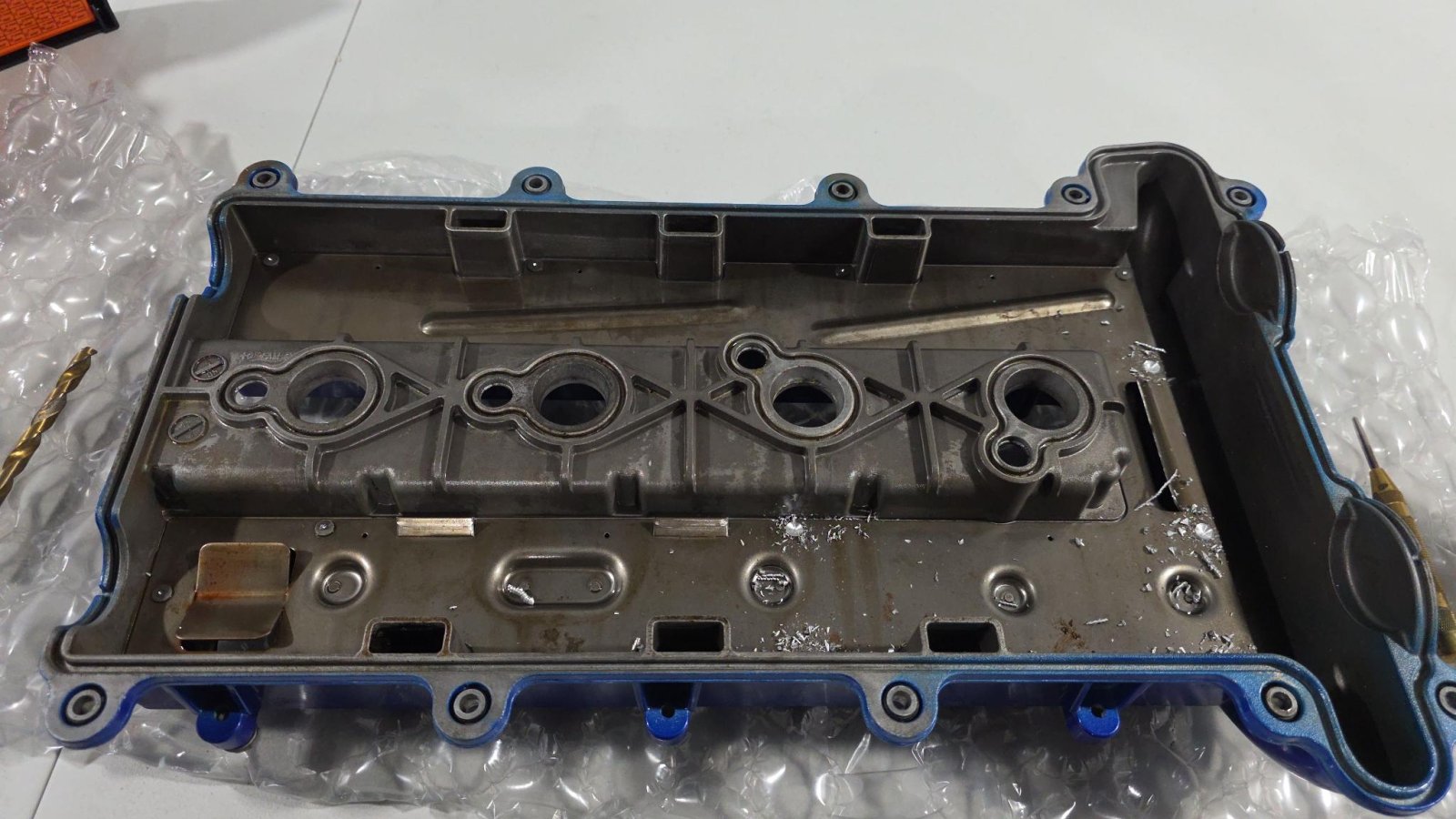
Drilled out the plugs on the LSJ valve cover to expose the baffles. Wasn't sure if they melted with the previous owner powder coating. Also wanted to clean it all up, snice I knew it would be full of sludge. Now I have to figure out where to put a bung for my catch can.
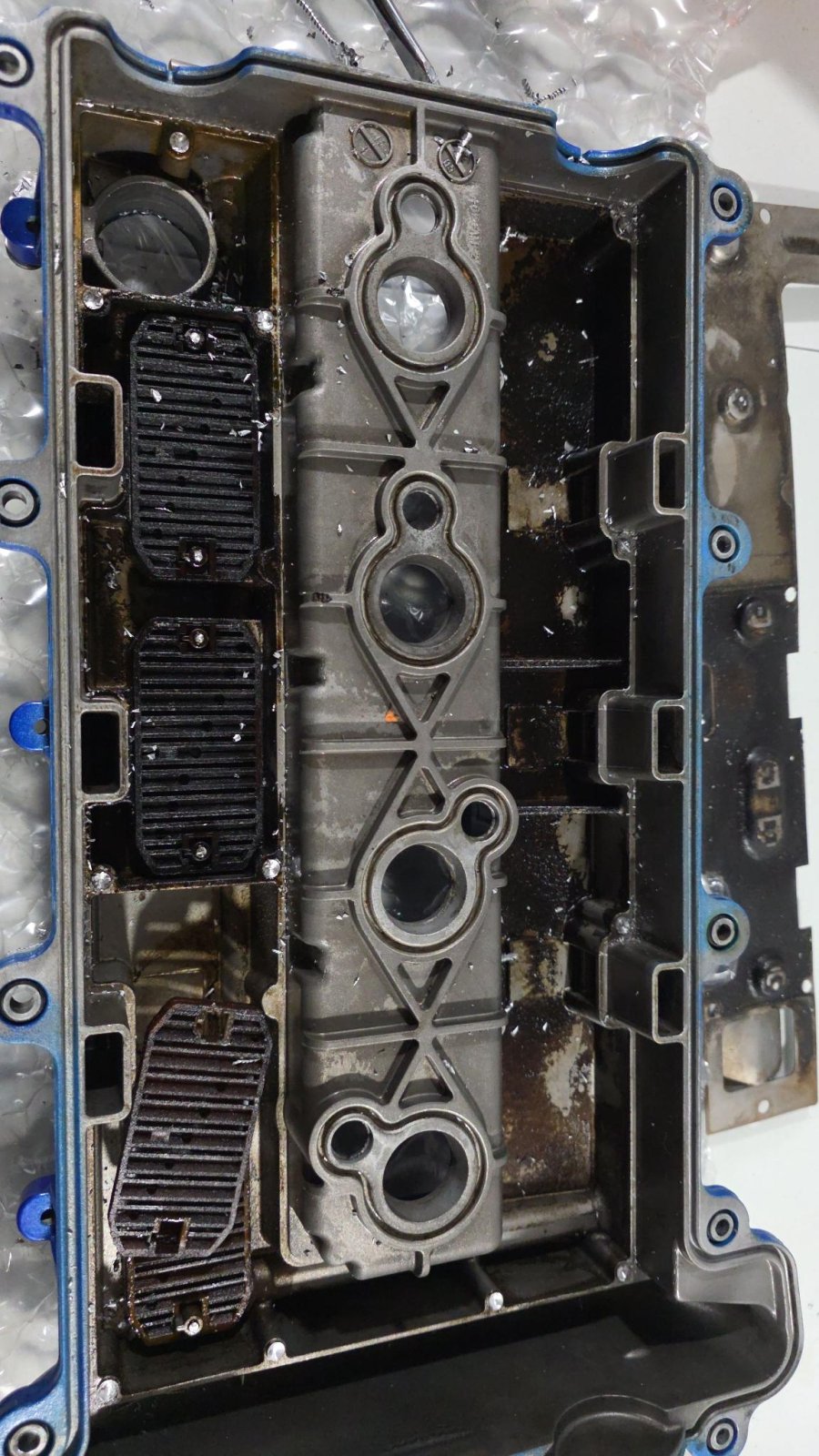
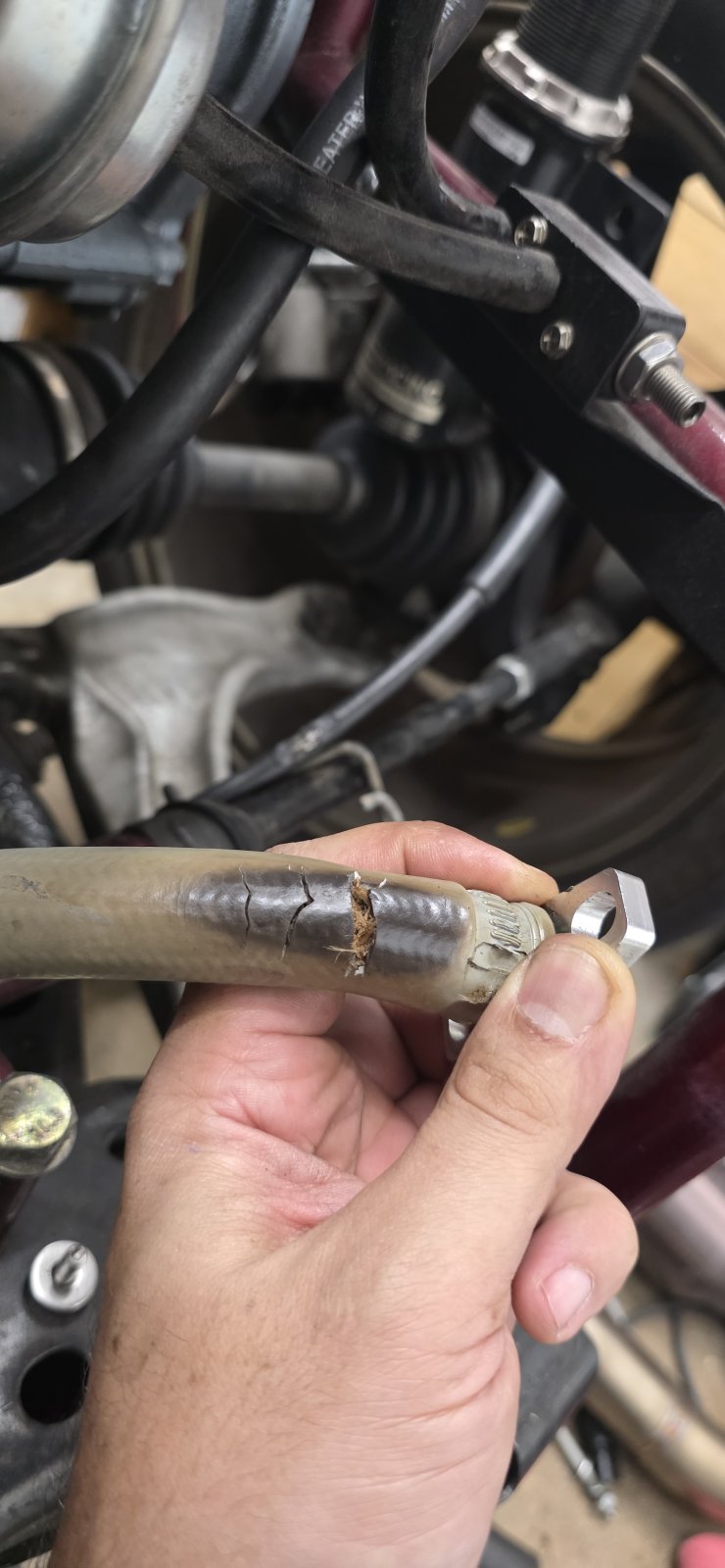
Have to drill out for the turbo drain which was draining incorrectly. Found out that the hose was burnt and cracked.
Drilled out the plugs on the LSJ valve cover to expose the baffles. Wasn't sure if they melted with the previous owner powder coating. Also wanted to clean it all up, snice I knew it would be full of sludge. Now I have to figure out where to put a bung for my catch can.
Have to drill out for the turbo drain which was draining incorrectly. Found out that the hose was burnt and cracked.

jirwin
Goblin Guru

- jirwin Goblin Guru
Did it maybe have a phenolic intake spacer before? Hard to tell without a picture of the old and new
Similar threads


- Replies
- 9
- Views
- 1K